Grow food where people live.
Fresh, nutrient-dense food, grown where people live, learn and eat.
GreenShelter is now Victory Garden Farming.
Victory Gardens are back, built with technology and ancestral knowledge. One garden, in two sizes, grows fresh, nutrient-dense food for your school, your kitchen or your block, all year round.
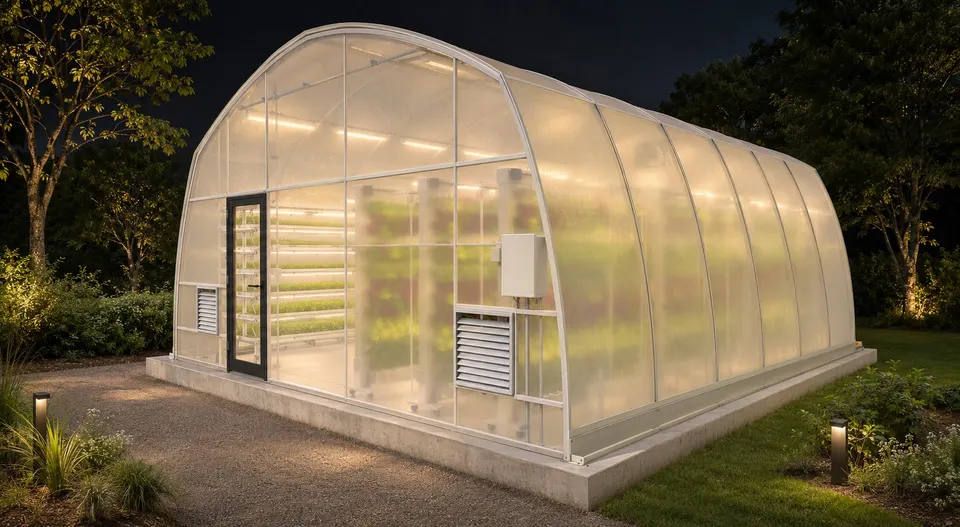
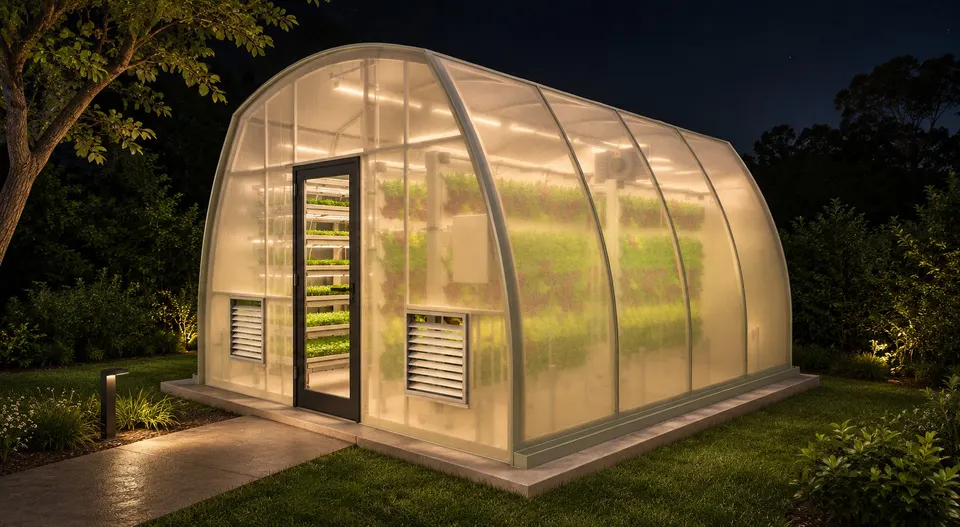
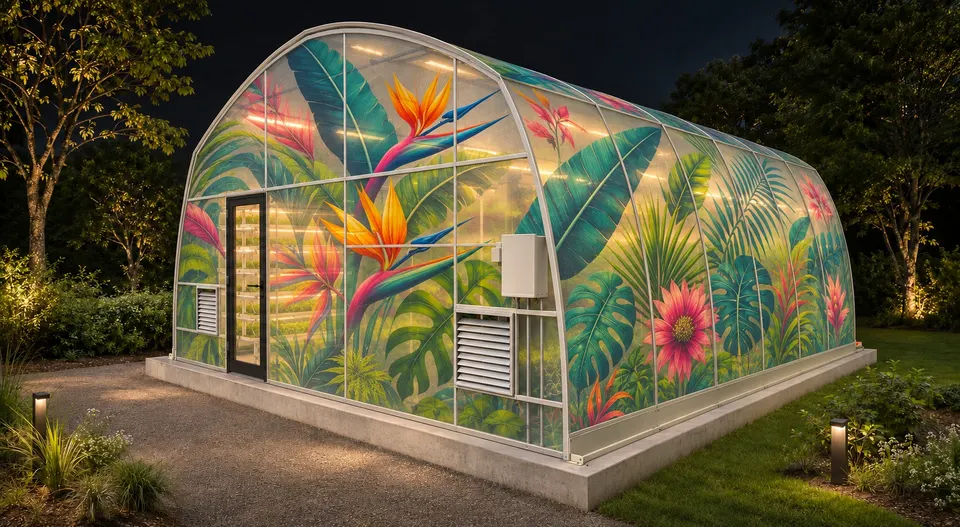
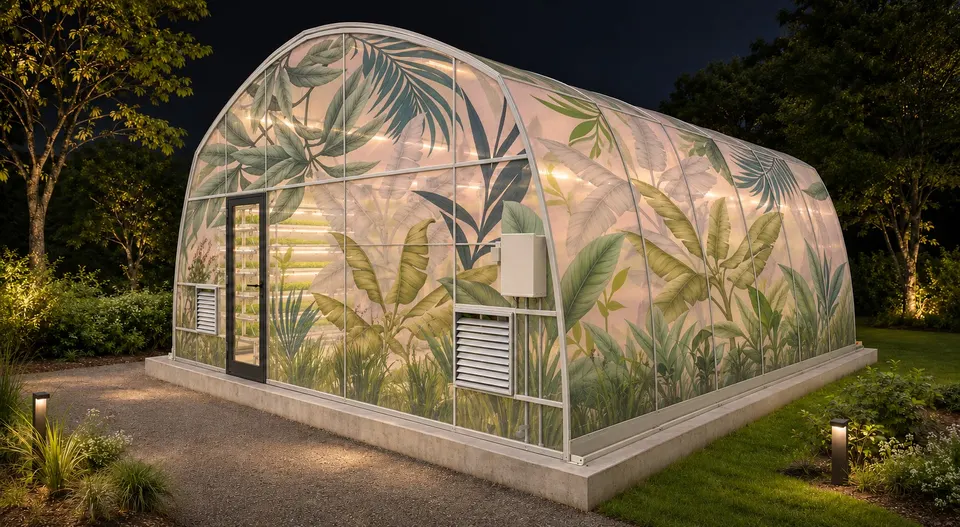
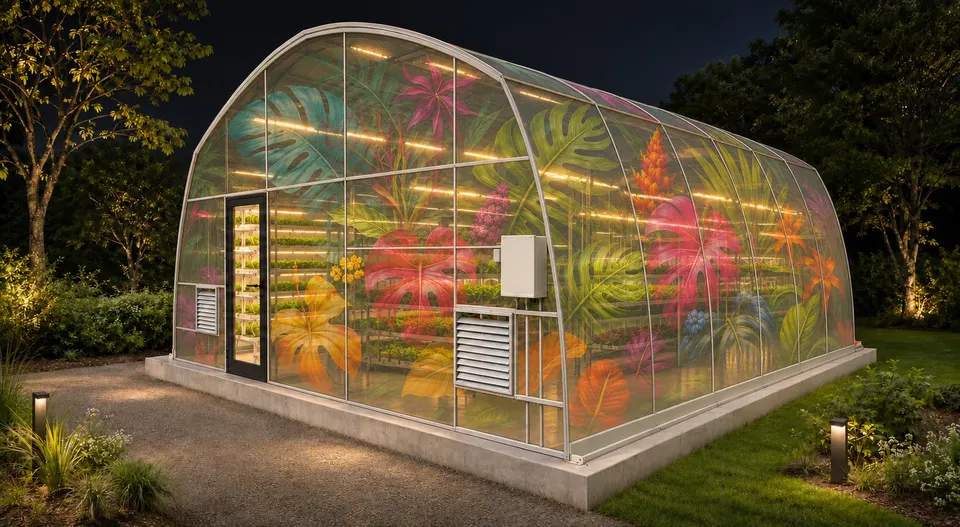
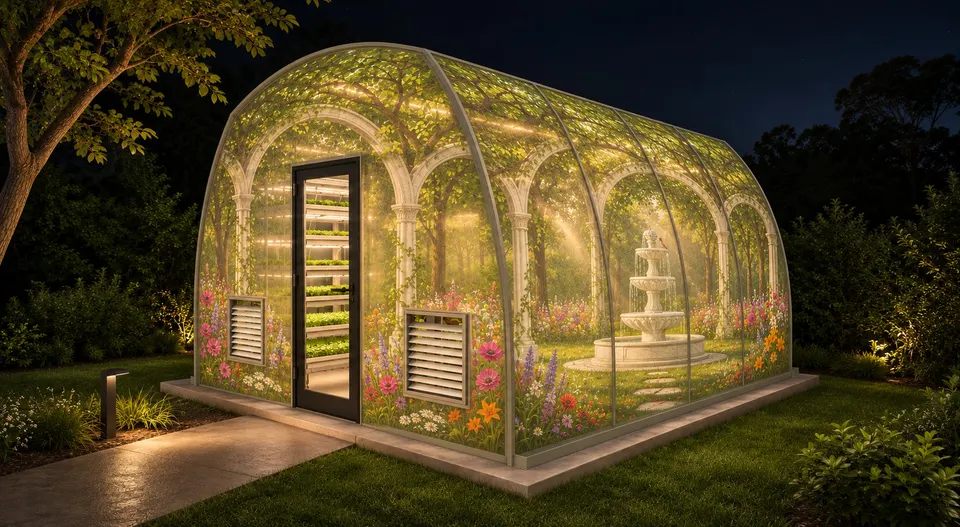
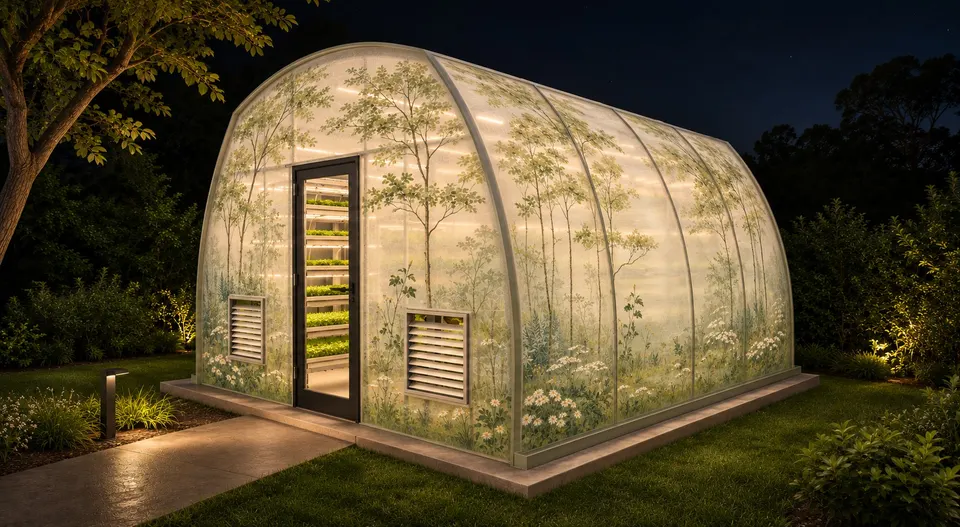
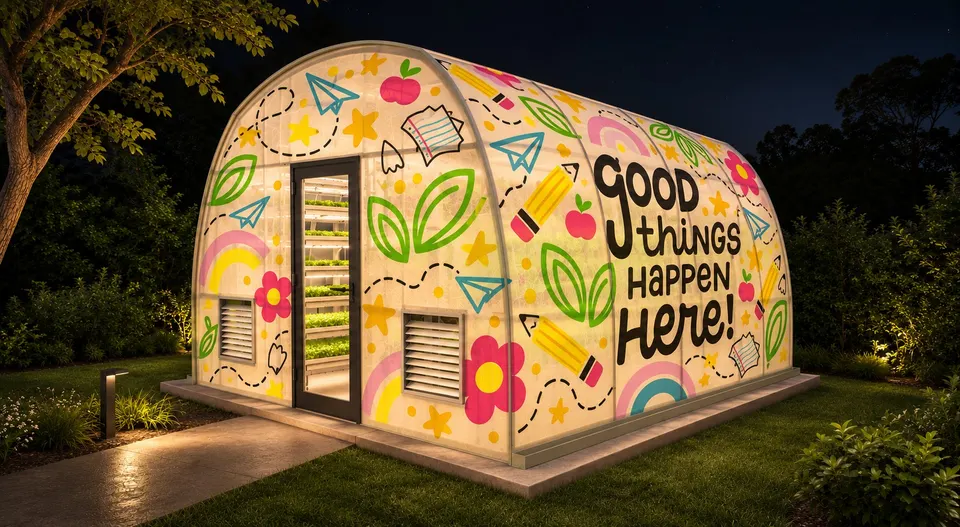
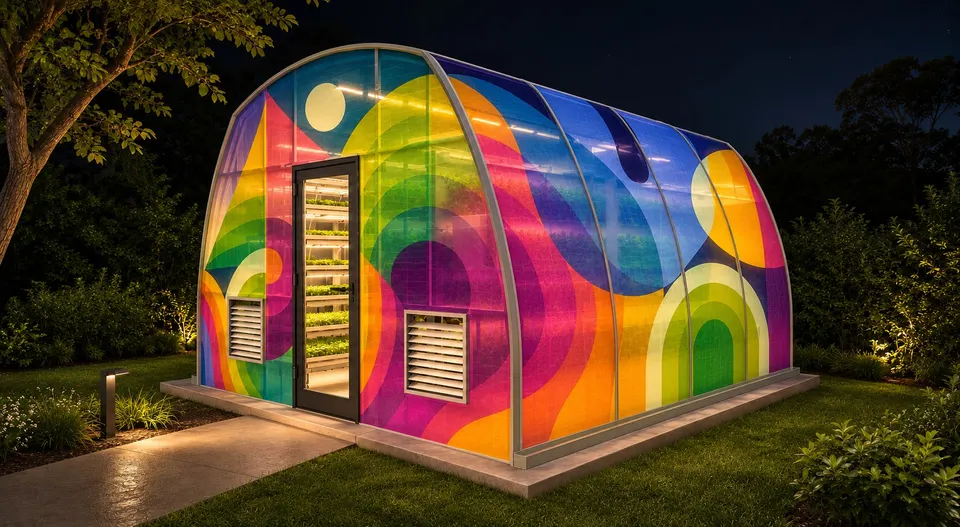
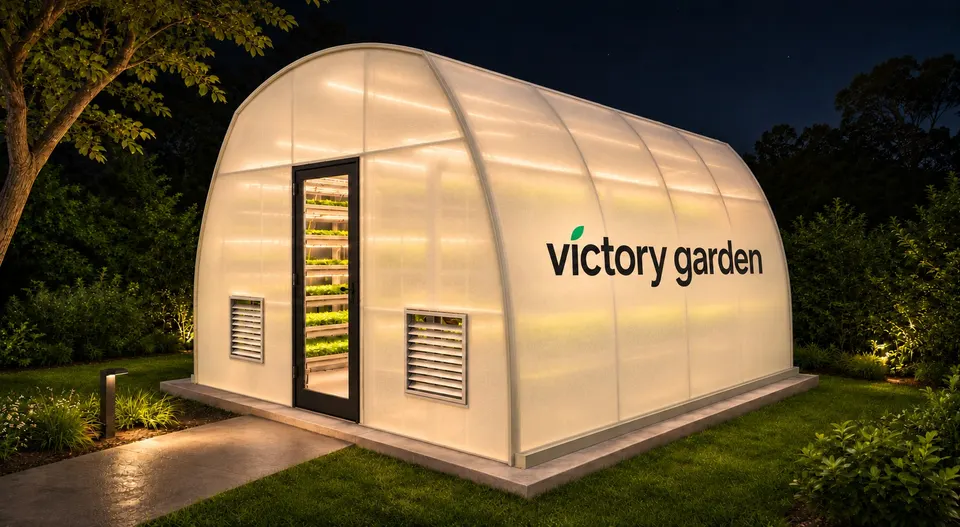
Drag to compare. Tropical · Mural by [ARTIST NAME]
The new fight
In 1943, a poster told Americans: “Our food is fighting.” The fight then was a war. Today it is a fight for food that still nourishes and food people can trust.
Less in every bite. Across 43 garden crops, six nutrients fell between 1950 and 1999, among them protein, calcium, iron and vitamin C.1
People made ill. About 866 million people fell ill from contaminated food in 2021.2
Outbreaks in 10 years. Leafy greens were linked to 40 E. coli outbreaks in the US and Canada between 2009 and 2018.3
It worked before
In 1944, Americans grew Victory Gardens on rooftops, school lots, vacant lots and window boxes. Families without land shared community plots, and children planted school gardens.5
Americans grew a Victory Garden in 1944.
of the fresh vegetables the country ate came from those gardens.
The program
In 1941, the Victory Garden Program set five aims. We kept all five and rewrote them for today, with new technology and the knowledge of the farmers who came before us.
Fresh, nutrient-dense food, grown where people live, learn and eat.
Harvest what you need, when you need it. Surplus goes to school lunches, staff meals and neighbors.
Food picked the day it is eaten, grown with 64% less energy than a container farm and up to 40% less water.
50 m² on a rooftop, a courtyard or a parking space, built for −15 °C to 55 °C.
Harvest days, lessons for students, and knowledge passed from one generation to the next.
The gallery
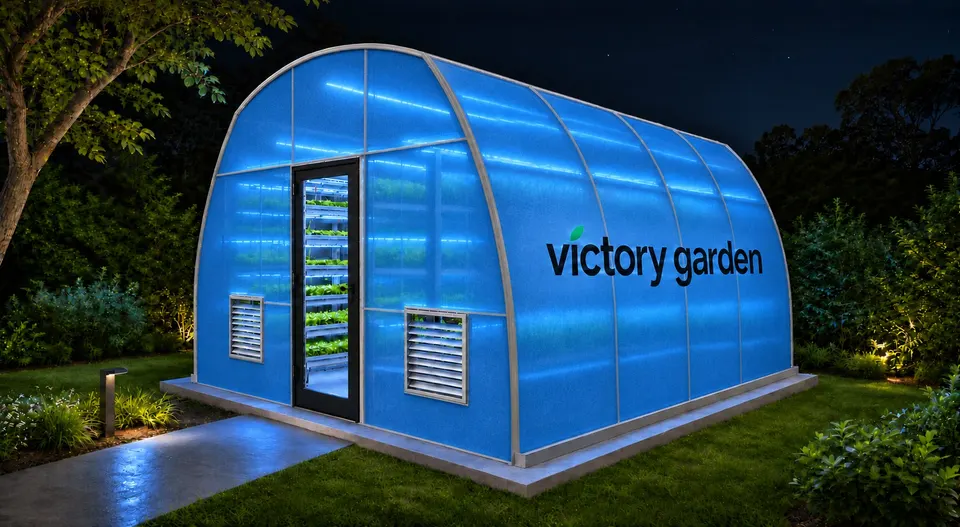
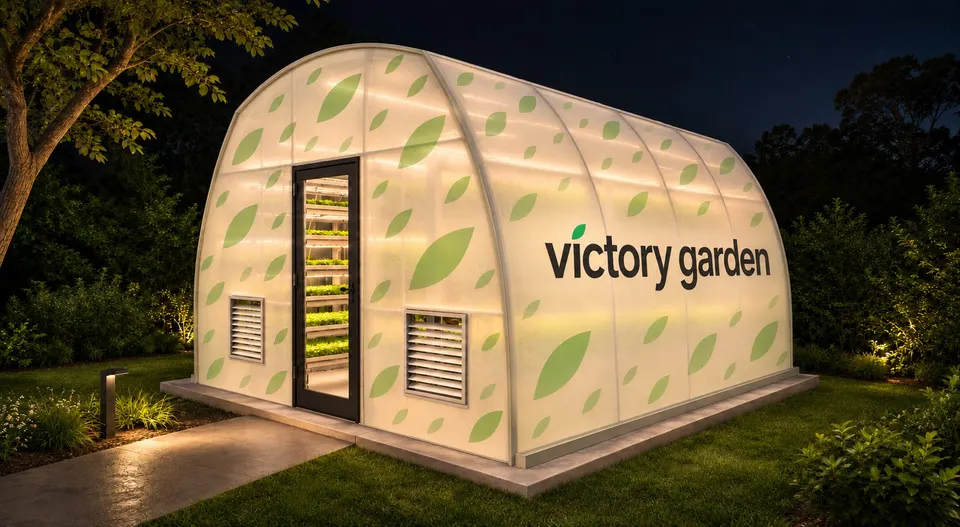
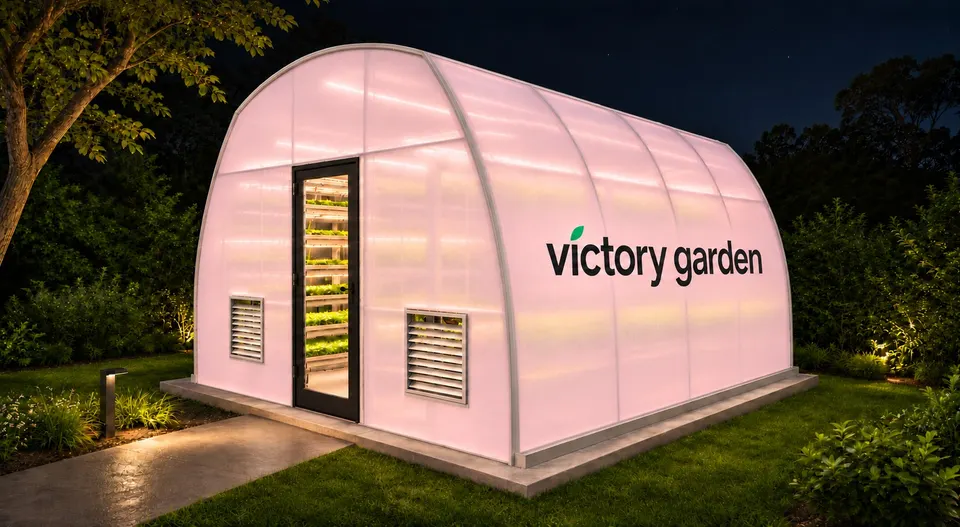
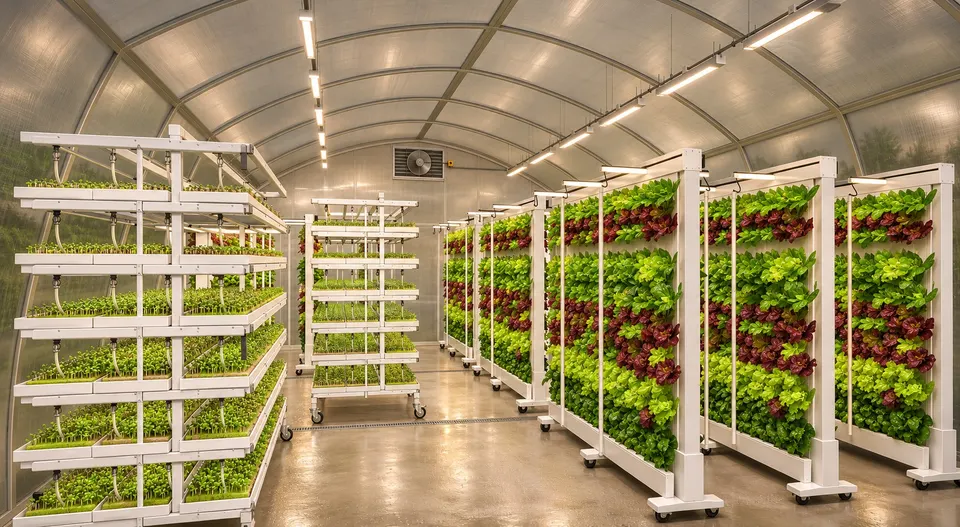
Step inside
The garden
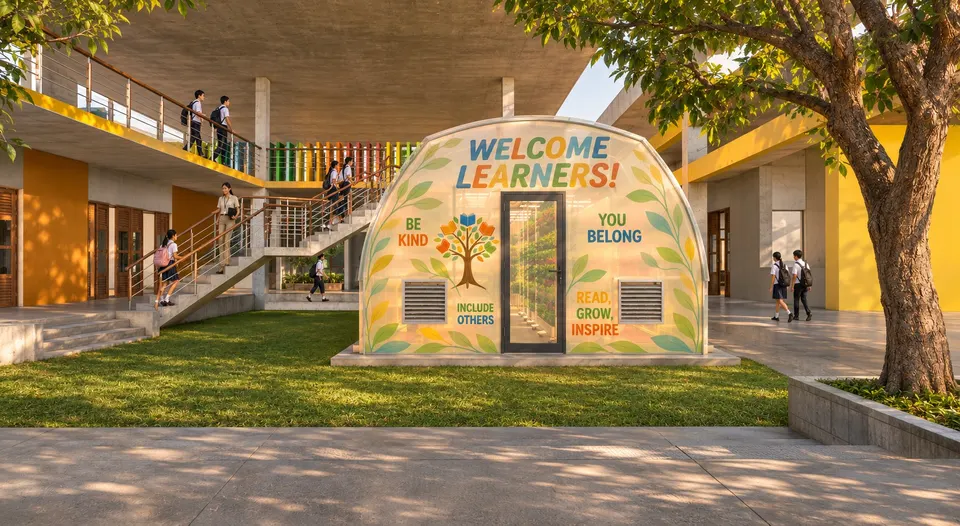
The big Victory Garden fits in 50 m². Tap the points to walk through it.
Every garden wears a design from our mural collection and glows after dark.
Two sizes
Both sizes run on CoFarmer, wear a mural and glow after dark. Choose by the space you have.
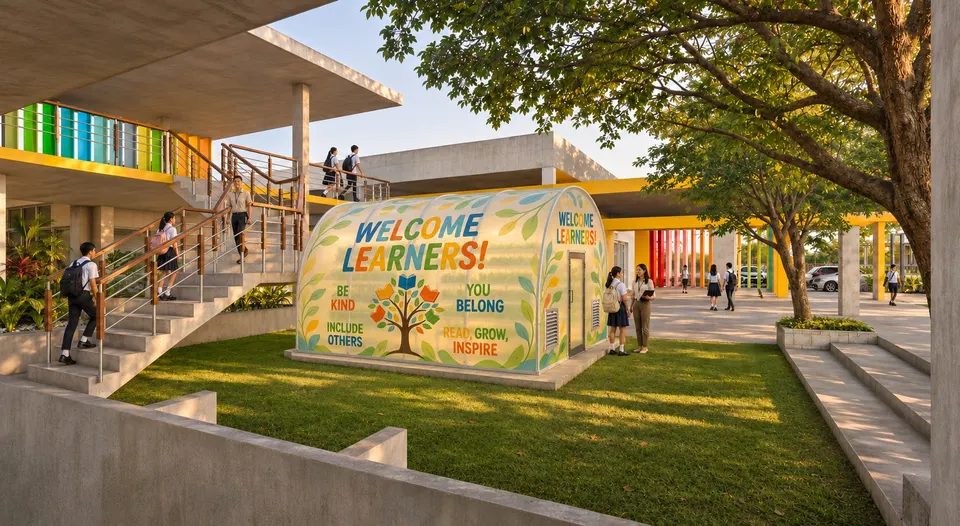
The size in our school model. Shown here in a schoolyard.
Six bays, two growing walls with 1,440 plant ports, and two microgreen racks.
What you can grow
Choose any crop from our protocol library. Every protocol comes included in CoFarmer, from seed to harvest.
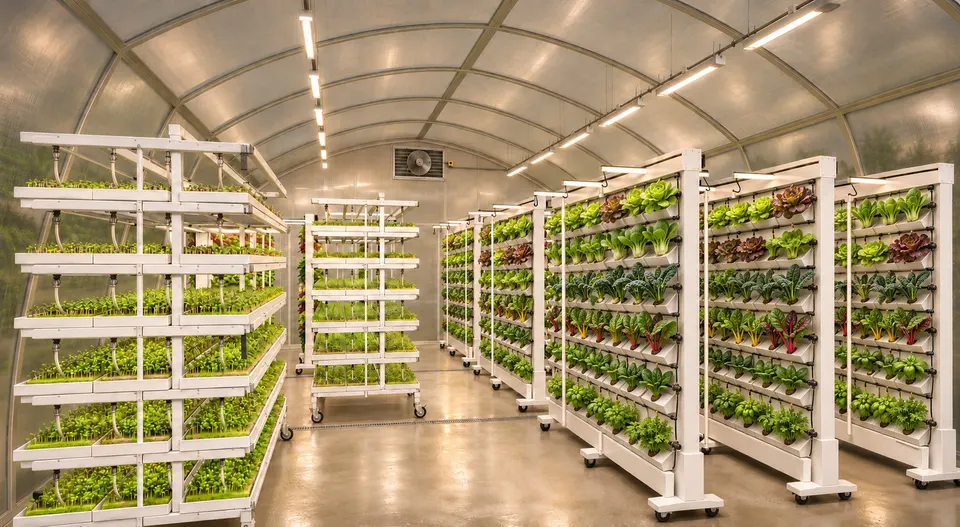
of fresh food a month, from 1 garden.
Figures for one big garden. Your yield depends on the crops you choose.6
Plan a harvest
Choose what you would grow, then drag through the weeks to see each crop come up and when it is ready to pick.
Crops
Typical days from seed or plug to first harvest indoors, rounded. For planning only: real times depend on the crop plan, light and season. The rack is a sketch, not the unit spec.
Week 5
Proven by farmers
Janice Kelsey and Jody Spangler come from fifth- and seventh-generation farming families. They are our mentors and co-inventors, and they test and approve every part of the system before it reaches you.
“We learned to grow by listening to nature and to the generations that came before us. Today, the technology has changed, but the principle has not: a growing system must work for the farmer. It should be simple to use, easy to understand, and possible to repair. Because if a farmer cannot rely on it, the technology has failed.”
 Janice Kelsey
 Jody Spangler
Mentors and co-inventors
A science lab that grows, and fresh food for the canteen.
Herbs and greens picked steps from your kitchen, and a garden your guests remember.
Start a small food business with one garden.
A shared place to grow, harvest and gather.
How to start
Delivery, installation and training are quoted for your site.
Join the network
Every Victory Garden gets a number and its own page. Scan the code on the door to see what's growing, when the next harvest day is, and who tends it. Build your plate below.
Garden No.
Your number is given when your garden is planted.